






A guide to generating bathroom remodeling leads
A good portion of homeowners in the U.S. always plan to renovate parts or all of their homes. That’s to say, the demand is there.
But the hard part is finding the homeowners who are ready to commit to your services.
This guide covers how to generate bathroom remodeling leads, how to buy them without wasting budget, and how to stay on the right side of TCPA compliance while you do it.
What are bathroom remodeling leads?
A bathroom remodeling lead is a homeowner who has raised their hand about a project and given you permission to follow up. That second part matters a lot for keeping you out of TCPA fines and litigation.
A name and a number you got from somewhere else is basically a liability. A genuinely interested lead fills out your form, asks for a quote, and agrees to hear back from you.
Stats that help you locate your bathroom remodeling leads
In the 2026 U.S. Houzz & Home Study, 54% of surveyed homeowners renovated in 2025, while a slightly lower share (50%) plan to take on a project in 2026.
So what pushes them to make a decision? 40% say they finally had the time, and 36% say they were financially ready.
What’s trending in home remodeling?
Bathrooms sit right at the center of it. Kitchens are still the most renovated room at 26%, but guest bathrooms come in at 25% and primary bathrooms at 23%. Two of the three most popular rooms in the house are bathrooms.
What about the spending part then?
The median spend on a primary bathroom climbed to $15,000 in 2025, up from $13,000 the year before, and guest bathrooms rose to $7,000 from $6,000.
Overall median renovation spend stayed flat at $20,000 year over year. And that says homeowners are just being more deliberate about where the money goes.
A stable market is always easier to plan around than a booming one. Harvard’s Joint Center for Housing Studies puts homeowner spending on improvements and repairs at roughly $519 billion heading into mid-2027. It also suggests year-over-year growth slowing to about 0.5% in nominal terms, but below inflation.
So there’s plenty of money on the table, but winning more of it means getting in front of homeowners before your competitor does.
Enter: lead generation campaigns.
Why run lead gen campaigns for bathroom remodeling?
A homeowner who decides to redo their bathroom on a Tuesday night is rarely going to call one contractor. They’re filling out three or four forms and going with whoever feels 1) most credible and 2) most responsive.
Lead generation is how you make sure you’re in that group instead of finding out about the project after it’s already been assigned.
- Being fast enough to nurture that interest is a big part of why.
Being the first credible response is usually the whole difference, and it’s a systems problem more than a budget one.
- The other reason is that this market runs on hired help.
Roughly nine in ten renovating homeowners hire a professional of some kind, and bathroom projects are no exception.
And almost every homeowner planning a bathroom remodel is going to hire someone. The only question is whether they’ve heard of you when they start looking.
- A good lead generation program is a few tactics working together in tandem.
That includes your SEO, a website built to convert, a well-kept Google Business Profile, email marketing, social media, and referrals. Each one can catch homeowners at a different point, and the overlap is what keeps your pipeline from going quiet when one channel dips.
Bathroom remodeling lead generation strategies
No single channel can fill your pipeline. The contractors who stay busy year-round are running three or four of these at once.
Below are six of the most common strategies, plus how to get more out of each one.
1. SEO
Search engine optimization gets you in front of homeowners at the moment they start looking. Someone types “bathtub to shower conversion near me,” and you want to be one of the first names they see.
The catch is that ranking well doesn’t move the traffic it used to. Pew Research Center tracked 68,879 real Google searches and found that when an AI Overview sits at the top of the page, people click a traditional result just 8% of the time, versus 15% with no AI summary. A quarter of the time they end the session without going anywhere at all.
That changes what you optimize for. Two adjustments you need to consider are:
- Answer the question directly. “How much does a tub to shower conversion cost in Phoenix” deserves its own page with a direct number range on it.
- Chase searches that still get clicked. Nobody hires a contractor from a summary paragraph. Bottom-of-funnel local queries still send people to your site.
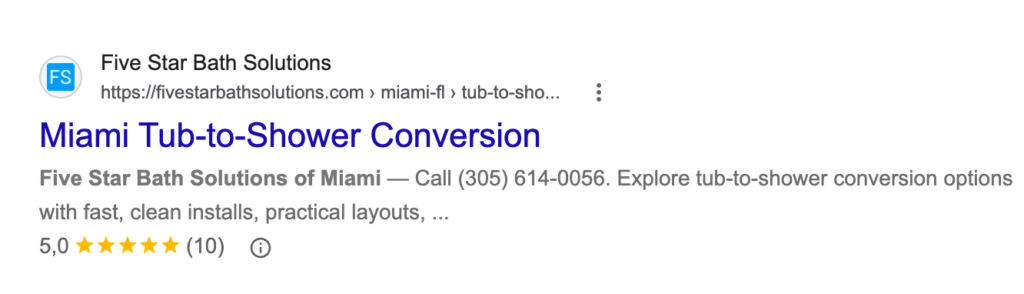
And write for the homeowner and not the algorithm. Google has gotten very good at spotting the difference.
Every form on those pages needs consent language and proof the homeowner agreed to be contacted. Organic leads feel safer than bought ones, but a TCPA claim doesn’t care where the lead came from.
TrustedForm Certify creates a certificate the moment the form is submitted, so the leads you generate are documented too.
2. Optimize your website for conversions
Homeowners research before they call. Your site is where they decide whether you’re the one.
Aim for informative without overwhelming, helpful without condescending, short without feeling thin. Getting it right also means you can help lower your cost per lead, since your website visitors basically qualify themselves.
Whatever else is on the page, you need a form. It can be labeled anything that gets people to fill it out, from “Get a quote now” to “Get started now,” as Zintex Remodeling Group does. What matters is that it’s obvious and above the fold.
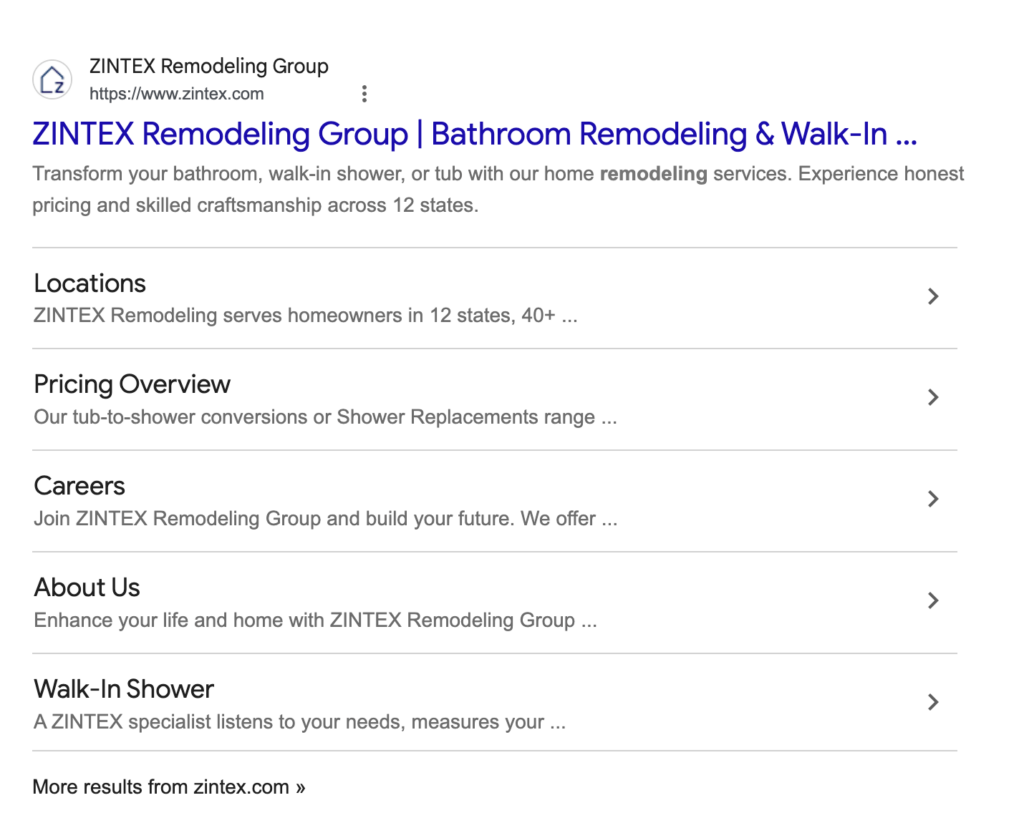
Keep in mind that the form is acting as both a lead capture tool and a compliance artifact. So three things belong on it.
- Consent language next to the submit button. This must be visible and not buried in a linked policy and never pre-checked.
- A record of what the homeowner actually saw. TrustedForm Certify captures that at submission.
- Somewhere to keep it. TrustedForm Retain stores certificates long term, which matters because TCPA claims tend to arrive long after the lead did.
3. Google Business Profile
Google My Business became Google Business Profile in November 2021, and the app was retired in 2022. You manage the listing inside Search or Maps now. Multi-location businesses still use the web dashboard, which was rebranded as Business Profile Manager. If you are a remodeler with several markets, that’s where you need to be.
For a local remodeler, this is the highest-intent space on the internet. Fill out the profile completely and verify it. That means adding your business name, hours, categories, services, site, phone, and photos.
Two Google rules really matter:
- Use your actual business name. Keywords like “ABC Remodeling Tampa Bathroom Experts” are considered keyword stuffing and a top suspension trigger.
- Handle your address correctly. If you go to customers, hide the address and list your service areas instead. Showing an address no one can visit, or using a virtual office, can get your profile removed, and getting it back is a hassle.
For the same reason, the old ‘grab a local virtual number for every city’ trick isn’t worth investing in. Google expects the number to reach the real business. So for city-level attribution, you need to use call tracking numbers that forward to your actual line.
4. Email marketing
Email is still the cheapest way to stay in touch with prospects, past customers, and anyone you quoted months ago who never got back to you. It works best when every message gives the reader a clear reason to open it.
A few habits separate emails that bring in jobs from ones that get ignored:
- Follow up on open quotes. A short, personal check-in a week or two after sending an estimate can revive jobs you’d written off. Mention the specific project so it doesn’t read like a mass email.
- Send timely reminders. Regrouting and re-caulking check-ins, a nudge to refresh the guest bath before holiday visitors, or update ideas for homeowners getting ready to sell. Well-timed emails keep you top of mind for the next project without a hard sell.
- Segment your list. Past customers, open quotes, and new leads need different messages. Even a simple split by service type or last job date makes your emails more relevant.
- Keep it short and mobile-friendly. Most people read email on their phones, so stick to one clear message, one call to action, and a phone number they can tap.
- Write subject lines that say what’s inside. “Your bathroom estimate from March” will outperform “Don’t miss out!”
- Ask for reviews and referrals. Right after a completed job is the easiest time to ask for a Google review or a referral.
- Protect your deliverability. Set up SPF, DKIM, and DMARC on your sending domain, email people who expect to hear from you, and remove addresses that bounce. Google’s sender guidelines are a good starting checklist.
- Track booked jobs, not just opens. Open and click rates are useful signals, but the real measure is how many emails turn into appointments.
An email campaign is only as good as the list behind it. LeadConduit can check incoming leads against your existing lists in real time, so duplicates and current customers don’t land in the wrong sequence.
5. Social media
Social media gives you visibility, and remodeling is a perfect niche for it. Your best before and afters can basically sell themselves.
Facebook and Instagram drive most bathroom leads, with TikTok and YouTube worth testing if you’re comfortable on camera.
You can also mix the formats, including some walkthroughs, time-lapses, mistakes first-time remodelers make, customer stories, etc.
Two things to keep clean under the FTC’s Consumer Reviews and Testimonials Rule:
- Grow your following, but don’t buy it. Fake engagement metrics are covered by the rule.
- Disclose anything you paid for, and never condition payment on the post being positive. The Endorsement Guides cover the details.
6. Referrals
Referrals are still the best leads in this business. Somebody stood in their friend’s new bathroom, liked it, and passed your name along. That prospect shows up pre-sold.
You can let it happen naturally or build a program with discounts, gift cards, or credit toward future work.
However, there’s a real difference in how the referral is done:
- Your customer gives their friend your info. The friend reaches out, fills out your form, and consent starts properly.
- Your customer gives you their friend’s number. That person never agreed to hear from you, and a friend’s say-so isn’t consent. This is exactly what TCPA claims are built on.
So you need to build around the first version. Give your customer a link or code to forward and let the referred homeowner come to you through your own form.
Bathroom remodeling marketing strategies
Lead acquisition is all that you do to get people to your door. But marketing decides whether they trust you enough to walk in. Bathroom remodels run into five figures and take weeks of strangers in the house, so homeowners are buying your credibility as much as your tile work. These three build it.
1. Display customer reviews
If you do good work, the proof is already there. You just have to put it where leads can find it. That means making reviews easy to spot on your site.
A bad review isn’t a disaster. Reply, address the complaint or fix what went wrong, and leave the exchange up for everyone to see. Many homeowners trust a company that handles a complaint well more than one with nothing but five-star ratings.
2. Branding
Branding is the story people tell about you when you’re not in the room. Reliable, or the guys who left the job half-done? That reputation is built long before anyone reads your quote.
Your goal is to be the company they remember a month later, when they finally decide to move forward. That’s when the real relationship with your customer begins.
3. Digital showroom
Not that many people walk into a physical remodeling showroom anymore. But you can bring the showroom to them. Build a section of your site where homeowners can picture the finished room.
You can include:
- Full project galleries
- Before and after sliders
- Room-by-room walkthroughs
- Video if you have it
- A configurator or 3D visualizer where they pick their own tile, vanity and fixtures.
Treat the visualizer as a lead form. If someone saves a design or requests a quote from it, that’s a lead capture point and it needs the same consent language and documentation as your main contact form.
Bathroom remodeling advertising strategies
Paid ads get you in front of homeowners who are already looking, without waiting for SEO to compound. It’s also where the platforms have changed the most in the past year, so a campaign built on 2024 advice is probably underperforming.
1. Google Ads and Local Services Ads
Search ads work because intent is obvious. Someone typing “tub to shower conversion cost” is probably ready to buy.
Go with what most people actually buy. You can sort through your last year’s invoices by job type. Then, cross-check it against your Google Ads search terms report, and the answer is usually obvious.
If you are just starting out, Google Keyword Planner is another place you can find the most searched terms.
Lead with those, then sell upgrades once homeowners are on your site. Local Services Ads sit above everything, including regular search ads.
A few things changed recently that most guides haven’t caught up on:
- Google Guaranteed is gone. The old badges became one Google Verified badge in October 2025, and the $2,000 money-back guarantee ended that November. If your site or truck wrap still says “Google Guaranteed,” fix it.
- LSAs are moving into Google Ads. Your ads look the same and you still pay per lead, but the old dashboard is going away.
- Export your reports before your account moves. Lead history comes with you. Performance reports don’t.
2. Meta ads
Facebook and Instagram work differently. Nobody’s searching there, so the ad has to create the want. Before-and-afters do that better than anything, especially with a realistic timeline attached so the project feels doable instead of terrifying.
Watch the resale claims, though. Zonda’s Cost vs. Value Report (2025) puts a midrange bathroom remodel at about $26,000, recouping around 80% at resale. Upscale runs closer to $82,000 and recoups about 42%.
That’s strong for an interior project, but it’s getting most of your money back, not making money. “Recoup most of what you spend” is honest and still sells. “Increase your ROI” invites a complaint.
The other catch is Meta’s native lead forms. They convert well because they autofill, which is also why homeowners barely read what they agreed to, and the platform leaves you with thin proof of consent.
- Use Meta partner integrations. Tools like LeadsBridge push those form fills into your CRM in real time instead of leaving them sitting in Meta’s dashboard, which matters when speed to first contact decides who wins the job.
- TrustedForm can document consent on those submissions rather than leaving you dependent on a screenshot of the form template.
Here’s everything you need to know about how to set up TrustedForm to retain Facebook lead ads Certificates.
Bathroom remodeling consent and data strategies
Everything in this article so far is about generating and nurturing leads. But you need more than that. For instance, knowing whether those leads are worth anything and whether they create legal exposure down the line.
Bathroom remodeling sits in a high-volume outbound category, which is exactly where TCPA litigators spend their time, and one claim can cost more than a season’s worth of leads.
LeadConduit
LeadConduit is where leads from every source land before they reach your CRM. It then allows you to build flows that run in real time as each lead arrives:
- Validate the email and phone
- Check the number’s status
- Confirm the ZIP is somewhere you actually work
- Screen against your suppression and DNC lists
- Filter out junk before it costs anyone a phone call
- Route what remains to the right salesperson
This also means that you stop paying for leads you can’t use, and you stop letting reps burn an afternoon on numbers that were never going to connect.
If you buy from multiple vendors, it also gives you a clean side-by-side on which ones are actually delivering.

TrustedForm
TrustedForm handles the consent side using:
- Certify creates a certificate the moment a form is submitted, capturing what the homeowner saw and agreed to.
- Verify checks that the consent on an incoming lead actually meets your requirements before anyone picks up the phone. Useful when you’re buying, because you’re relying on someone else’s form.
- Retain stores those certificates long-term, which matters because TCPA claims often surface long after the lead came in.
- Insights pulls 22 data points off every lead event, showing which sources produce leads that convert. Its bot detection uses behavioral signals and automation markers to flag non-human submissions before they reach your CRM. A bot can’t give consent, so those leads cost money and add TCPA risk.
Note that no tool makes a company TCPA compliant. What TrustedForm gives you is evidence, which is a documented record of what the consumer agreed to, when, and on what page.

Best practices for buying bathroom remodeling leads
Buying leads fills gaps that organic can’t fill fast enough. It also puts you in a market where the FTC ordered HomeAdvisor to pay up to $7.2 million (back in 2023) over false claims about lead quality. Here are the six rules that help you buy carefully:
1. Run both organic and paid
Your own lead acquisition compounds over time. Bought leads give you volume tomorrow. Use them to cover slow weeks and new territories, not to replace the pipeline you’re building.
2. Match the lead type to how you actually work
Phone leads close better, but they cost more. Form leads are cheaper and come in at all hours, but they need follow-up. If nobody answers the phone live during business hours, you’re paying a premium for voicemail.
3. Set CPL from your close rate
Here you need to work backward. A $150 lead at a 25% close rate costs you $600 per booked job. At 10%, it’s $1,500. Which one you can live with depends on what a bathroom job is worth to you.
So start from the job. Take your average ticket and your margin, and decide how much of that profit you’ll hand to acquisition. That’s your ceiling, and you set it before a vendor does.
Then watch lead quality as you push volume, because the two pull against each other. Track cost per booked job by source and treat cost per lead as just an input.
4. Price by market and not by average
A major metro can cost double a smaller market for the same lead. National averages are useless for budgeting. Get quotes for your ZIP codes.
5. Answer fast, because almost nobody does
Most contractors take days to call back, and plenty never call at all. Automate the first touch, then follow up by phone. It’s the cheapest conversion advantage there is.
6. Verify before leads hit your CRM
LeadConduit checks email, phone status, location, and consent in real time and rejects what fails. You stop paying for low-quality leads, and you learn which vendors actually deliver.
Average cost per bathroom remodeling lead
Lead costs change a lot based on several factors. The channel matters, your city matters, and so does whether three other contractors got the same lead.
Here’s roughly what you’re looking at in 2026:
- Google Ads and Local Services Ads.
With LSAs you pay per lead, not per click. So clicks that never turn into a call cost you nothing. Google doesn’t publish rates by category, which means any range you see online is someone’s estimate.
Regular search ads are easier to price. Home and home improvement runs $8.33 per click and $90.92 per lead, against a $66.69 average across all industries. Use that as your comparison. So if your LSA leads come in under $90.92 and close at a similar rate, the channel is worth keeping.
- Shared marketplace leads.
Roughly $85 to $150, again market-dependent. Three or four contractors get the same lead, so close rates drop into single digits.
- Exclusive leads.
For these leads, you’ll pay more upfront. However, you can also close more of them.
Your location changes all of these. A competitive city can cost twice what a smaller market does for the same lead, so get quotes for your own ZIP codes rather than working off national numbers.
One more thing to consider is that CPL isn’t the number to watch. Cost per booked job is. A $150 lead you close one in four times beats a $40 lead you close one in twenty.
Final thoughts
Bathrooms are one of the most remodeled rooms in the country, and every competitor in your market knows it. The edge is knowing which leads are real, having proof they agreed to hear from you, and calling them before anyone else does.
LeadConduit filters the junk. TrustedForm documents the consent.
Request a demo to see them in action.