Understanding fraud and bot detection technology
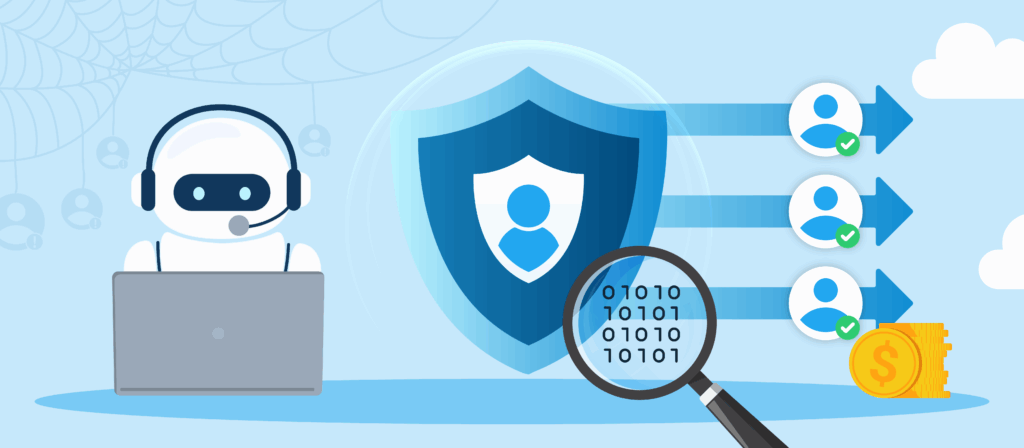
Fraud and bot detection technology is no longer a “nice to have.” If you run digital campaigns, buy leads, or rely on online forms, you are already being targeted by bots and fake traffic. And as AI-driven automation grows, it’s getting harder to tell real users from sophisticated scripts.
In 2025, bots account for a huge share of web traffic, and most websites still aren’t fully protected. Recent research found that only about 2.8% of sites are fully protected from bot attacks, even as AI-powered bots rapidly increase.
This article breaks down what fraud and bot detection technology actually is, how it helps your business, three examples of top-rated fraud prevention technology for detecting bots 2025, and where TrustedForm Insights Bot Detection fits as an alternative focused on lead quality and compliance.
What is fraud and bot detection technology?
At a basic level, bot detection technology is software designed to distinguish human users from automated scripts, then block, challenge, or flag the bad ones.
Fraud and bot detection platforms typically look at:
- Behavioral patterns: How fast users move through a page, where they click, how they scroll, and the timing of form fills. Bots tend to move with inhuman speed and precision.
- Technical signals: IP addresses, device fingerprints, user agents, JavaScript support, cookies, and more. Many bots reuse infrastructure or leave odd technical signatures.
- Traffic context: Sudden spikes from a single region or network, repeated attempts on the same endpoint, or patterns tied to known botnets.
- Session and intent data: How sessions behave over time: Do they log in, add items to a cart, or only hammer login or pricing endpoints?
Modern fraud and bot detection technology goes beyond static IP blocklists. The leading tools use machine learning and behavior-based rules to keep up with bots that constantly change their identities and techniques.
How bot detection technology helps businesses
Bad bots are not just an IT headache. They touch nearly every KPI your marketing and sales teams care about. Here’s how effective bot detection technology helps:
1. Protects your budget
Bots submit fake forms, click ads, and trigger events that look like engagement but never turn into revenue. In the lead generation world, up to 25% of leads are estimated to be bot-generated using real consumer data, inflating media spend and distorting campaign performance.
Filtering that traffic out before it hits your CRM or analytics tools means:
- Cleaner cost-per-lead (CPL) and cost-per-acquisition (CPA) numbers
- Reduces wasted spend on fake conversions
- Better optimization decisions for paid media
2. Mitigates compliance risk
Bots don’t care about consent language. If a bot submits a form using real consumer information, there is no valid consent behind that lead. In industries where TCPA or similar regulations apply, this creates a serious risk. A single non-compliant call can cost hundreds or thousands of dollars.
Bot detection technology can:
- Flag leads that look non-human before outreach
- Help you avoid contacting people who never actually filled out your form
- Support your internal compliance controls
- Mitigate TCPA and compliance risk
Pairing bot detection with a security awareness training platform can further reduce risk by ensuring your team recognizes phishing attempts and social engineering tactics that often accompany bot-driven fraud campaigns.
3. Protects brand reputation and customer experience
Malicious bots do more than spam forms. They can take over accounts through credential stuffing, create fake sign-ups that pollute your user base, scrape data, and open pathways that weaken your overall resilience against ransomware and broader cyber threats.
Strong bot detection helps:
- Allow only real customers to log in and transact without friction
- Your team spends time on real leads, not ghost records
- Prevent your brand from becoming associated with abusive or suspicious behavior
4. Improves data quality and decision-making
When 10–20% of your “conversions” come from automated traffic, every downstream metric becomes unreliable without protections in place. Bot detection allows you to:
- Clean up analytics so you can trust your funnels
- See which campaigns actually drive human intent
- Make better budget decisions across channels
3 examples of top-rated bot detection technology in 2025
There are dozens of bot mitigation vendors on the market. These three platforms are widely cited in 2025 as strong reference points for modern fraud prevention. This is not an endorsement, just a snapshot of what leading solutions look like today.
1. Prophaze
Prophaze is frequently ranked among the top bot mitigation tools for its AI-native approach built for Kubernetes environments.
- Best fit: SaaS and digital businesses running microservices on Kubernetes
- Why it matters: Bots can abuse web apps, APIs, and signup flows. Prophaze operates close to infrastructure and adapts in real time, reducing automated abuse at the source.
2. DataDome
DataDome is a well-known leader in bot mitigation and fraud prevention, recognized by firms like Forrester and platforms like G2.
- Best fit: E-commerce, ticketing, and subscription businesses
- Why it matters: Bots distort sign-ups, carts, and logins. DataDome scores every request in real time and provides visibility into fraud patterns so funnel data stays accurate.
3. HUMAN Security
HUMAN Security focuses on stopping sophisticated bots, account abuse, and digital fraud at scale.
- Best fit: Large brands with high traffic and complex attack surfaces
- Why it matters: Ad fraud, fake accounts, and promo abuse directly impact revenue. HUMAN is designed to protect these outcomes, not just block generic bad traffic.
TrustedForm Insights Bot Detection
Most bot mitigation tools protect apps and infrastructure. If your real problem is fake leads polluting your funnel, you need something more targeted. TrustedForm Insights Bot Detection is built specifically for lead acquisition, not general web traffic.
TrustedForm already captures detailed proof of how and when a lead is generated. Bot Detection uses that same certificate-level data to identify non-human activity at the moment a form is submitted.
What makes it different
- Certificate-level signals, not just IPs: Detection is based on granular technical and behavioral metadata tied to each TrustedForm Certificate, making it far more accurate than network checks alone.
- Behavioral analysis of form activity: It analyzes timing, interaction patterns, and submission behavior to spot bots that auto-fill or replay forms.
- Lead-level scoring and action: Suspected bot leads can be flagged, filtered, rejected, or routed for review before they ever reach sales or automation.
Why marketing and sales teams care
- Stops budget waste by filtering bot-generated leads early and revealing which channels actually drive human intent
- Reduces compliance risk by preventing outreach tied to submissions that never involved real consent
- Improves sales efficiency by removing unreachable, non-responsive records from the queue
- Strengthens vendor accountability with clear evidence to challenge bad traffic and reallocate spend
If you buy leads at scale, TrustedForm Insights Bot Detection gives you a practical way to keep your funnel human, your data clean, and your budget focused where it belongs.
Final thoughts
Bots don’t just waste spend. They distort performance, create compliance risk, and slow down your sales team. If lead quality matters, bot detection has to happen at the lead level, not after the damage is done.
Discover the new TrustedForm Insights Bot Detection solution to identify non-human submissions in real time, protect your funnel, and make sure you’re paying for real people, not automated traffic.