






Bot mitigation: What it is and how to do it right
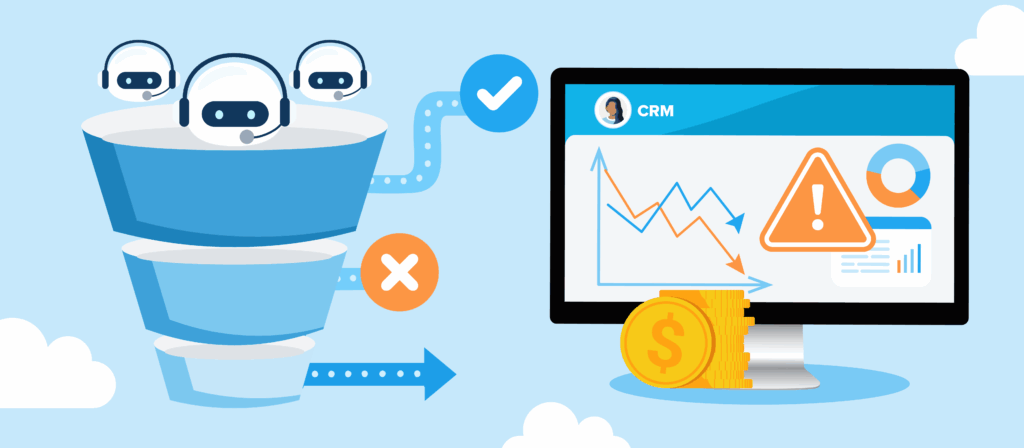
Digital economies run on data, automation, and speed, but that same efficiency has opened the door for bots. Some are useful, powering search engines and digital assistants. Others are malicious, quietly draining ad budgets, generating fake leads, and sabotaging performance behind the scenes. That’s where bot mitigation comes in.
If your business depends on web forms, digital marketing, or lead generation, you’re already feeling the impact. Bots don’t just distort your analytics; they threaten revenue, compliance, and customer trust.
This guide explains what bot mitigation is, why it matters, proven bot detection and mitigation techniques, and how tools like TrustedForm Insights help you block bad bots before they drain your bottom line.
What is bot mitigation?
Bot mitigation refers to the strategies, techniques, and tools used to detect, block, or manage unwanted bot traffic on websites, applications, and digital platforms. At its core, it’s about separating good bots (like search engine crawlers) from bad ones (like credential stuffing bots, form fillers, or scrapers) and stopping the latter from causing harm.
In simple terms, bot mitigation is your first line of defense against automated threats that distort analytics, steal content, commit fraud, and clog up your funnel with fake activity. Without it, bots can quietly chip away at performance, compliance, and trust, long before you realize there’s a problem.
Why bot detection and mitigation matter for businesses
Every click, pageview, and form submission that comes from a bot instead of a human can cost your business in more ways than one. Without proper bot detection and mitigation, you risk:
- Wasted marketing spend – Bots can inflate your ad impressions and click-through rates, making campaign performance look better than it actually is.
- Corrupted analytics – Decisions based on skewed data are worse than guesses. Bots throw off everything from conversion metrics to engagement rates.
- Lead fraud – Perhaps the most damaging outcome, especially in performance marketing, is when bots submit fake leads through web forms.
- Increased compliance risk – In regulated industries, engaging fake leads can trigger TCPA violations or other legal liabilities.
- Poor customer experience – Bots can overload servers, slow down websites, and block real users from completing actions.
Simply put, if you’re not actively working to mitigate bots, you’re already losing money and possibly putting your entire business at risk.
The link between bots and lead fraud
One of the most damaging, and often underestimated, effects of bot activity is its role in lead fraud. In performance marketing, bots routinely fill out lead forms with real consumer data to game systems and trigger payouts. These fraudulent submissions can silently rack up thousands in wasted spend before anyone catches on.
Bots drive lead fraud by:
- Flooding your pipeline with stolen contact details, wasting your sales team’s time and energy.
- Inflating lead volume, driving up acquisition costs for traffic that never converts.
- Polluting attribution data, making it harder to pinpoint which traffic sources are working and which are draining your budget.
Beyond lost ROI, bot-generated lead fraud carries real risk. When bots use real consumer information without consent, your brand could face serious legal consequences, including TCPA violations. What looks like a harmless form fill could lead to fines, lawsuits, and a damaged reputation.
Effective bot mitigation techniques
Stopping bots requires a layered, adaptive defense strategy. Modern bot operators constantly evolve their tactics, so your protection must do the same. Here are some of the most proven and effective bot mitigation techniques businesses are using today:
- Behavioral analysis – Detects anomalies in user behavior, such as lightning-fast form submissions, zero scrolling, or missing mouse movement, clear signs of automation.
- Device fingerprinting – Examines device attributes (browser version, OS, screen resolution, etc.) to identify inconsistencies that signal bot activity.
- JavaScript challenges – Uses lightweight, invisible tests to confirm the browser can process JavaScript like a real user. Bots often fail this step or attempt to bypass it.
- Rate limiting – Controls how many actions a single user, IP, or session can take within a set time frame to prevent abuse or flood attacks.
- Selective CAPTCHA use – Deployed strategically, CAPTCHA’s can verify human intent without degrading the user experience. They’re useful as a fallback, not a primary filter.
- IP and geolocation filtering – Flags or blocks traffic from suspicious IPs, known data centers, or regions outside your target market to reduce exposure to scripted attacks.
The most resilient defenses combine multiple layers, integrating static analysis, real-time behavioral signatures, and dynamic challenge-response mechanisms. When backed by machine learning and live traffic intelligence, these techniques can detect and adapt to evolving threats in real time.
How TrustedForm Insights Bot Detection helps detect and block bots
TrustedForm Bot Detection, part of TrustedForm Insights, gives advertisers and lead buyers a smarter, more accurate way to flag and filter non-human traffic, especially bot-generated leads that use real consumer data.
Here’s what sets it apart:
- Certificate-level behavioral analysis – Unlike legacy tools that rely solely on IP addresses or user agents, we analyze behavior at the point of lead capture. If it doesn’t behave like a human, we flag it.
- Session metadata tracking – We collect and analyze signals like time on page, scrolling, click paths, and engagement duration to uncover non-human patterns that traditional tools miss.
- Advanced fraud signals – Leads that are submitted too quickly, with no scroll activity, or other robotic traits are flagged with high confidence.
- TCPA risk mitigation – Many bot submissions contain real consumer data. If you contact those leads, you may face legal exposure. We help reduce that risk by identifying bots before they reach your CRM.
- Smarter detection – TrustedForm uses unique, certificate-based metadata that fraudsters can’t spoof, giving you cleaner data and stronger protection.
This solution was built for real-time performance marketers who need confidence in their lead quality and compliance. Bot detection seamlessly integrates into existing TrustedForm workflows, with zero impact on processing speed.
Final thoughts
Bots are no longer a background problem in 2025. Bots are now a direct threat to your revenue, your data, and your reputation. Whether you’re focused on lead generation, campaign performance, or compliance, ignoring them isn’t an option or a viable strategy.
Left unchecked, bots will:
- Drain your ad budget
- Pollute your CRM with leads that didn’t give express written consent
- Lower your conversion rates
- Trigger compliance risks, including costly TCPA violations
TrustedForm Insights Bot Detection gives you a modern solution for a modern problem. With increased visibility, you’ll know which leads are real, which sources to trust, and where your marketing dollars are actually paying off. It’s the kind of intelligence that turns risk into revenue.
Discover how TrustedForm Bot Detection helps you grow smarter, faster, and cleaner.